Have you been part of an early stage business skills training? Now depending on whether you are a micro-enterprise or running an established business you’ve probably attended a few of those. 

What impact have they had on your business?
It’s important to self-reflect on what an effective or impactful programme means. For instance impact to one business might imply revenue growth, but to another it may look like improved processes or access to new markets.
As RedPLAN we are passionate about real community development and improved livelihoods with entrepreneurship as the catalyst.
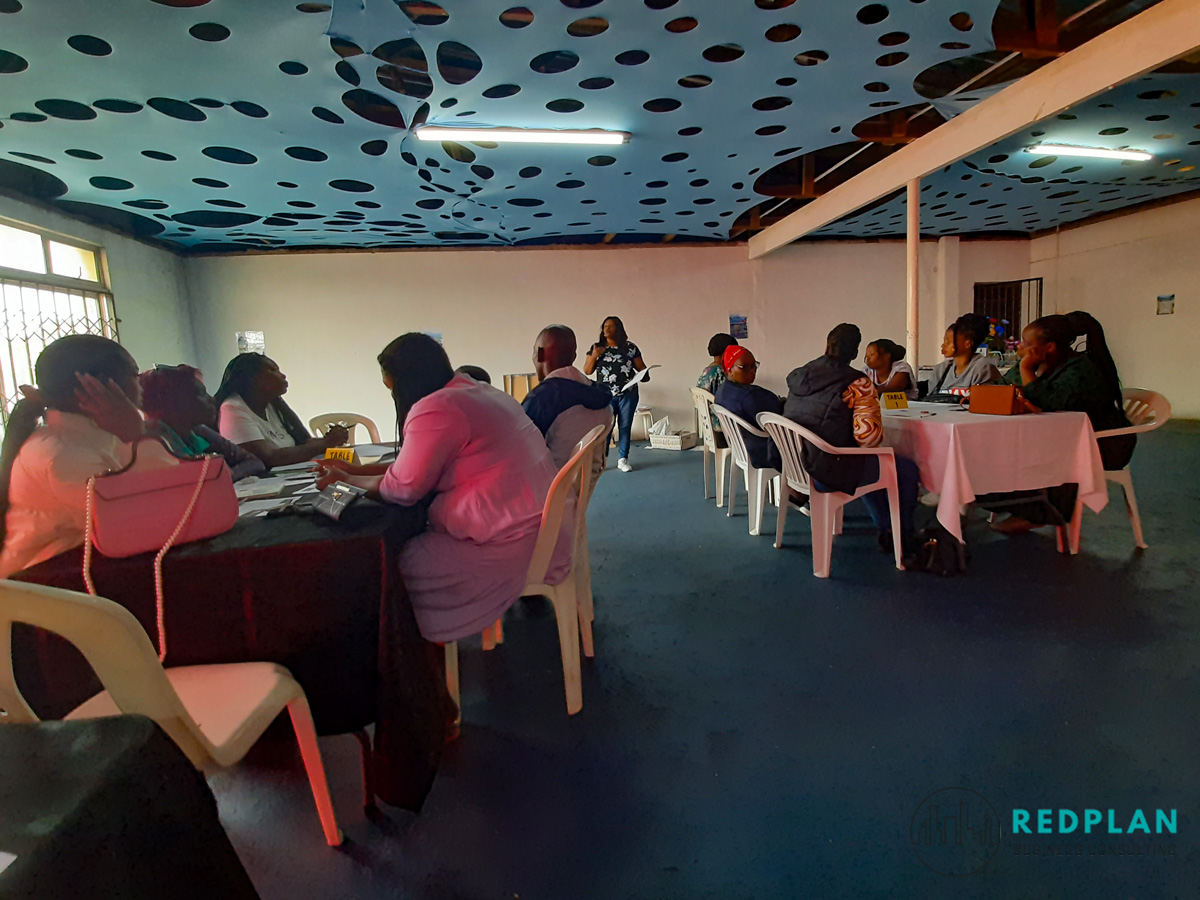
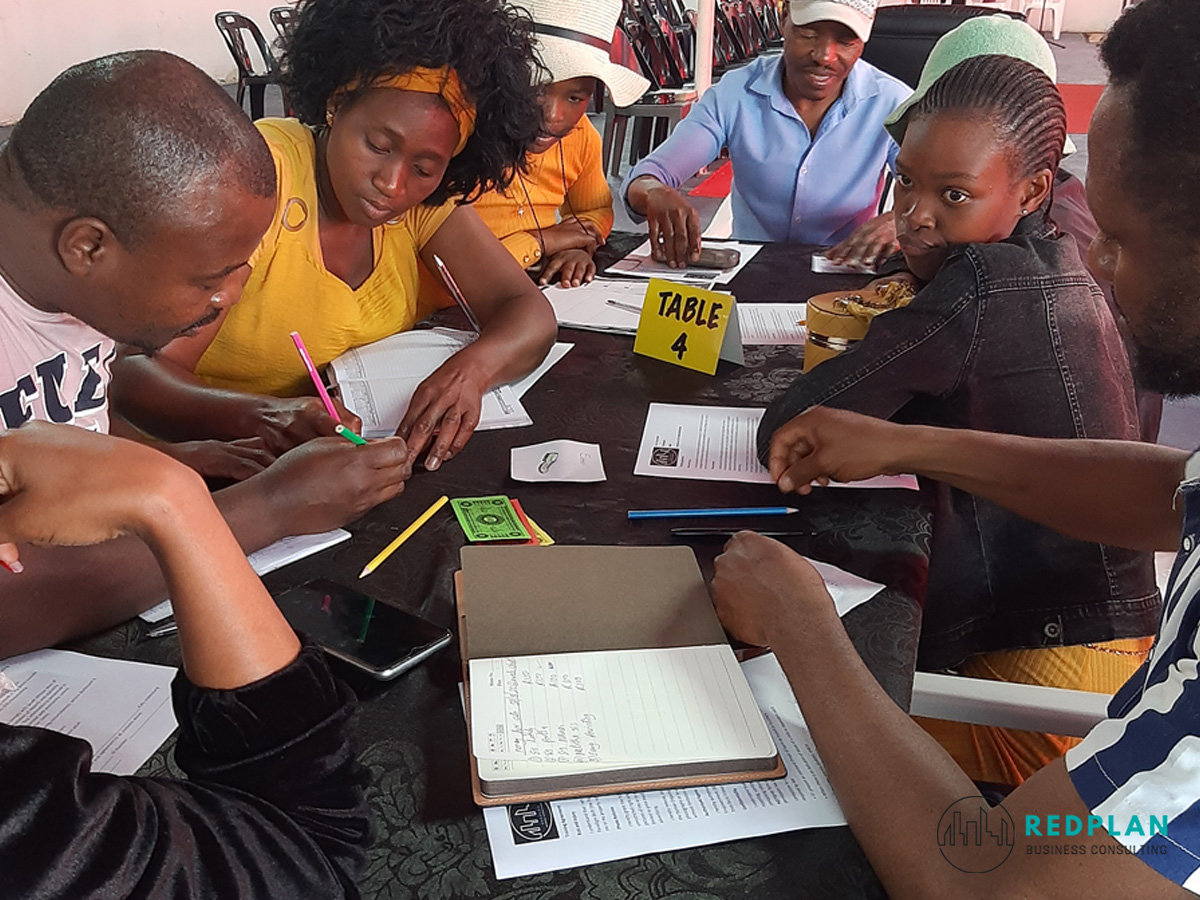
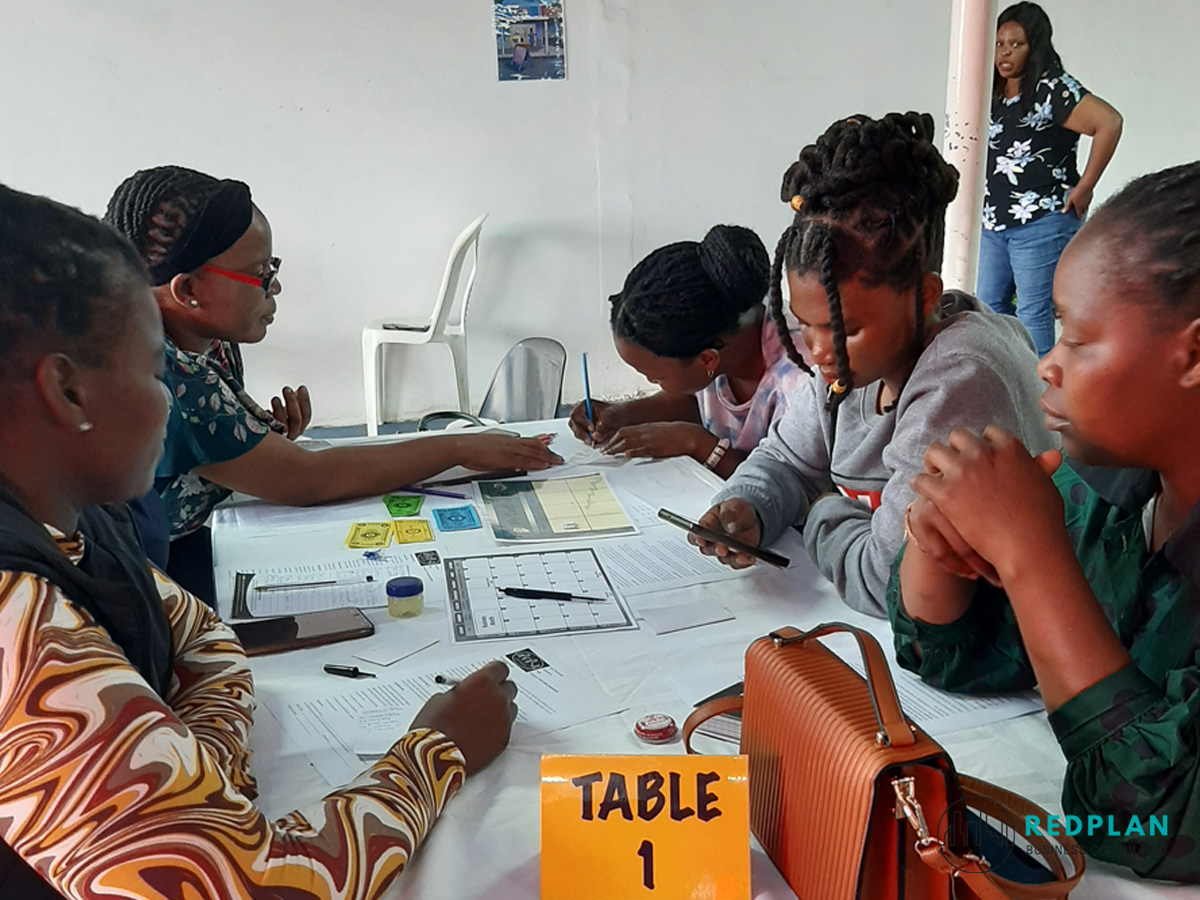
To make our contribution towards supporting businesses to recover from the pandemic as well as the terrible floods that enveloped our community, we  hosted a pro bono workshop targeting women entrepreneurs from rural and semi-urban areas in Zululand.
What started as a desire to empower survivalist businesses, turned into an oversubscribed workshop! We had a full house of over 30 businesses in attendance each with a desire to take their  businesses to the next level.  The interest and engagement of entrepreneurs in attendance further cemented our belief that there is a hunger for business knowledge that is simple, practical yet impactful.
As we reflect on the success of the day, we would like to share our learnings based on this workshop as well as our experience from working with survivalist businesses over the years. We hope these insights provide others in the entrepreneurship ecosystem a glimpse on what has works  and sometimes doesn’t

1.

Investment in skills development programmes targeting women and youth in rural and semi-urban requires prioritisation

The current digital divide levelled with reduced access to Enterprise and Skills Development (ESD) programmes for rural-based businesses means limited access to these initiatives.

Businesses in rural and semi-urban areas already have limited access to resources and without the support of skills-building programmes and other support, sustainability remains a considerable challenge.

We believe that more must be done to provide tangible and practical training beyond merely ticking a box.
2.

Simplified and contextually relevant initiatives are required

Training that speaks to the context and specific needs of an entrepreneur instead of the one-size fits all approach is needed in order to address challenges that are unique to each business.

RedPLAN has designed bespoke training experiences and tools that are highly practical to ensure that entrepreneurs can apply the learnings  in their businesses.

3.

Compliance, compliance!

As we talk about economic inclusion it’s paramount to look at the type of policies or processes that contribute to the very issues we are trying to solve. Compliance is important however it should not be used in a punitive way.

Most survivalist businesses may not have the required compliance documents although it’s something they could be working towards, so how do we provide them support without excluding them based on that? How about gender-lens funding?

We could write pages on what needs to be done to recalibrate business and skills development initiatives to be more fit-for-purpose, human centric and impact-driven; however simply put,the best initiatives address unique challenges faced by individual businesses. 

Lets collaborate where possible, build on entrepreneurship programmes that bring us closer to reducing barriers and promoting economic inclusion.

We’d love to collaborate with you, contact us here
Article by: Janet Okoye, RedPLAN Managing Director

Connect on Linkedin

Share This